
Illuminate Urban Listings With Smart, Efficient Light

Today we dive into energy‑efficient lighting plans that elevate urban listing photos, blending LED precision, daylight strategy, and portable modifiers to reveal crisp detail without wasting power. Expect practical setups, authentic case studies, and a friendly roadmap you can adapt to tiny studios, airy lofts, or moody corridors while staying mindful of budgets, sustainability goals, and client expectations. Share your questions, test shots, and power‑saving wins, and let’s refine a repeatable blueprint you can trust on every city assignment.

Understanding Light in the City Frame

City spaces challenge photographers with mixed color temperatures, reflective glass, and unpredictable ambient spill. By planning energy‑efficient light placement and output before arrival, you reduce setup time, conserve batteries, and capture consistent frames that feel natural. This approach balances low‑watt LEDs, careful diffusion, and stable exposure to create inviting, believable rooms that sell fast without exhausting your crew or sockets.

Planning a Low-Watt Lighting Kit That Performs

A lightweight, low‑watt kit travels easily through elevators and tight stairwells while delivering crisp, marketable frames. Build around efficient LED panels, battery tubes, and bi‑color bulbs that pair with compact modifiers. Previsualize angles, finalize outputs, and pack backups so you can move quickly between rooms without draining power or patience.

Modular LED Panels and Tubes

Thin, high‑efficiency panels provide broad, flattering coverage, while tube lights sneak into shelves, toe‑kicks, and hallways for subtle luma accents. Keep output moderate, rely on distance and diffusion, and avoid stacking redundant sources. Elegance comes from restraint, clean shadows, and steadiness instead of energy‑hungry brightness spikes and bulky stands.

Portable Power and Runtime Math

Calculate watt‑hours against your expected draw, leaving a safety margin for bracketed exposures or additional accent lights. Smart distribution across several batteries prevents sudden drop‑outs during long hallway sequences. Track charging cycles, label packs clearly, and rotate usage to extend lifespan, stabilize color output, and protect your schedule.

Diffusion Strategies Without Waste

Use collapsible softboxes, double‑net scrims, and inexpensive shower‑cap diffusers to soften highlights without multiplying wattage. Bounce into matte walls when ceilings are too low. Save the heaviest diffusion for portraits or glossy kitchens, keeping living spaces open, airy, and efficient for scrolling audiences who judge quickly and convert faster.

Natural Light Integration for Authentic Mood
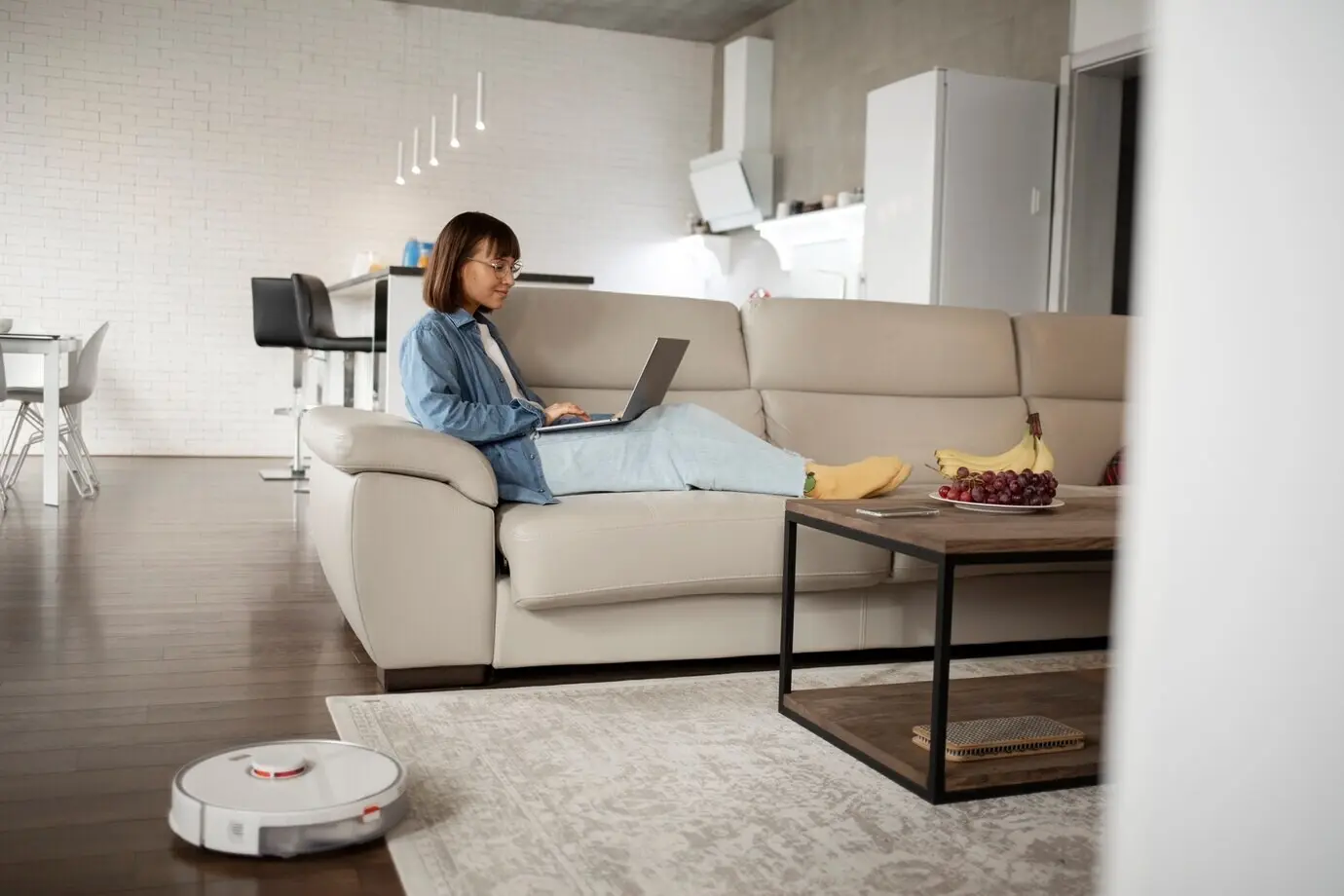
Urban windows deliver drama, but ungoverned sun wrecks color and contrast. Blend efficient artificial fill with controlled daylight to retain view detail and believable skin tones in lifestyle frames. The goal is airy, calm rooms that invite touring while keeping exposure predictable and battery usage comfortable over a full shoot.

Room-by-Room Tactics for Urban Apartments

Each room asks for different handling, and efficient decisions keep the whole set consistent. Kitchens demand clean specular control, bedrooms love soft falloff, and bathrooms punish sloppy angles. By tailoring output, position, and diffusion, you build honest atmosphere and depth while keeping electricity draw and fatigue impressively low.

Editing Workflow That Honors Efficient Capture

Exposure Blending vs. HDR

Blending hand‑picked frames yields lifelike windows and soft interiors without plastic halos common in heavy automated approaches. Shoot locked‑off brackets, then combine with luminosity masks for believable transitions. This protects energy decisions made on set, preventing extreme retakes or overcompensation through noisy, power‑hungry reshoots.

White Balance Consistency Across a Set

Urban listings often mix tungsten lamps, cool daylight, and LED strips. Normalize across rooms using a reliable gray card, then refine individually with subtle tint adjustments. Consistency raises buyer trust, clarifies material finishes, and mirrors the thoughtful planning that kept lighting efficient, calm, and aesthetically coherent during capture.

Noise Control With Lower ISO and LED Flicker Checks

Efficient lights encourage lower ISO, but beware driver flicker at high shutter speeds. Test for artifacts, then lock shutter around safe multiples or enable anti‑flicker modes. Cleaner files mean tighter compression, faster site loads, and smoother gallery experiences that translate into higher engagement and confident inquiries.

Metrics, Checklists, and Communication With Clients

Clear metrics make improvements measurable and persuasive. Share average lux targets, typical watt draw, and turnaround gains with clients who value calm, luminous imagery and responsible operations. A simple checklist standardizes results across assistants and locations, reducing surprises while giving room for creativity within a steady, efficient framework.

Brand Value and Sustainable Storytelling

Working efficiently is not just technical; it signals a thoughtful brand that respects buildings, neighbors, and budgets. When your imagery feels relaxed, bright, and genuine, viewers trust the listing, stay longer, and reach out. That credibility compounds across portfolios, referrals, and eco‑minded partnerships with lasting benefits.
Mekoverexizefaki
Privacy Overview

This website uses cookies so that we can provide you with the best user experience possible. Cookie information is stored in your browser and performs functions such as recognising you when you return to our website and helping our team to understand which sections of the website you find most interesting and useful.