Green Details That Make Small Rooms Feel Spacious
Today we dive into Biophilic Touches: Using Plants to Enhance Small-Space Staging, focusing on how living textures, calming hues, and strategic placement can transform modest interiors. Expect practical guidance, quick wins, and inspiring anecdotes that help rooms breathe visually. You will learn how scale, light, and containers create perceived depth, while simple care routines keep everything show-ready. Share your favorite plant tricks in the comments, subscribe for fresh staging ideas, and let nature quietly become your most persuasive design collaborator.
Tall Forms That Lift the Eye
Use slender verticals like snake plant or dracaena to elongate sightlines without consuming floor area. Place them near corners or window edges so leaves graze the light column, implying height. Their upright rhythm pairs beautifully with curtain panels and bookcases, creating a continuous line that photographs cleanly. Keep pots narrow, finishes matte, and colors quiet, allowing the foliage to do the lifting while the container discreetly anchors the form with confident restraint.
Trailing Greenery That Softens Edges
Introduce gentle cascades with pothos or philodendron micans from shelves, mantle corners, or high sills. Trailing lines soften hard angles, blur abrupt transitions, and create movement that feels intimate yet airy. In photos, those delicate curves help fill negative space without cluttering tabletops. Train vines along a discreet hook or two, keeping pathways clear. Aim for measured drape, not heavy curtains of leaves, so light continues to sculpt the room’s edges and maintain openness.
Clustering That Reads as One Gesture
When space is limited, cluster three to five small plants into a single visual statement using varied heights and leaf shapes. Think a compact fern, a small rubber plant cutting, and a petite succulent united on one tray. Odd numbers feel organic and balanced, while shared materials in pots establish cohesion. This approach reduces scattered clutter, directs attention to one curated vignette, and simplifies watering routines during showings or busy open-house weekends.
Light, Care, and Realistic Styling
Matching Species to Light Conditions
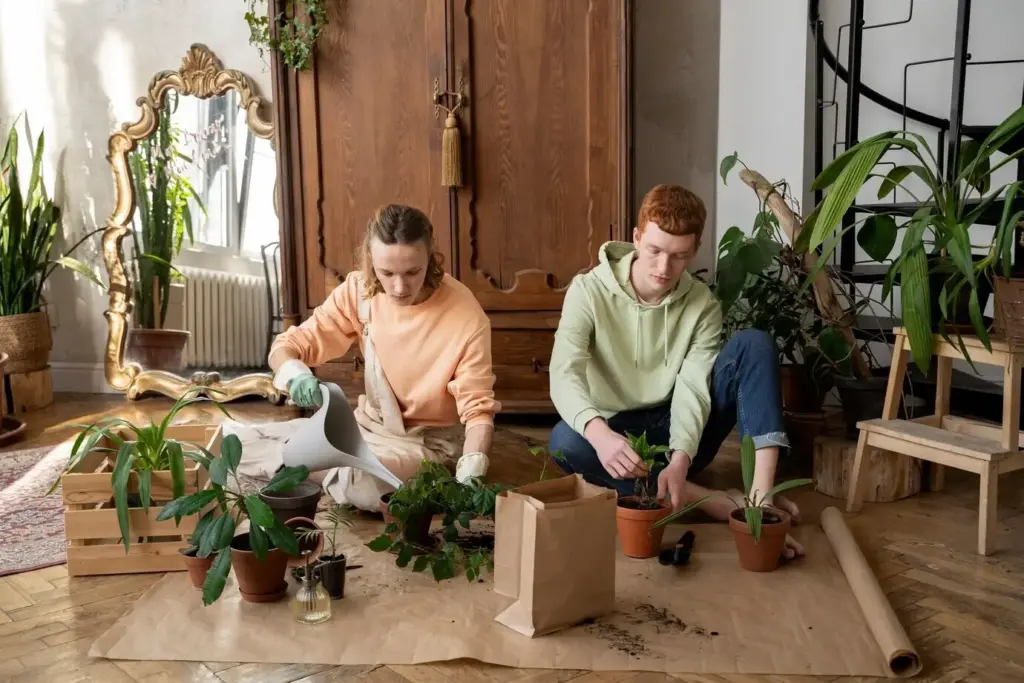
Observe sun patterns before you buy. For north-facing apartments, consider ZZ plant or snake plant that tolerate lower light, while south windows welcome peperomia, hoya, or compact ficus. Sheer curtains diffuse harsh glare, preventing scorched leaves and better balancing exposure in photos. Remember, even ‘low-light’ plants need some brightness. Test placement by reading a book on-site; if the page is legible without straining, most hardy indoor greens will be content and camera-ready.
Low-Maintenance Routines During Showings
Staging weeks get hectic, so streamline care. Pre-water the day before photos, use wick-based self-watering planters for consistent moisture, and schedule a quick leaf wipe on shoot morning for that healthy satin glow. Keep a small caddy with microfiber cloths, pruning shears, and a mister for last-minute touch-ups. Add plant care notes on a discreet card, especially if clients remain in the home, ensuring continuity. Minimal fuss means maximum vibrancy when prospective buyers arrive excited.
When Faux Makes Sense
High shelves, dim entry nooks, or short-term rentals sometimes call for convincing faux greenery. Mix lifelike artificial stems with at least one real plant elsewhere to maintain authenticity, and avoid glossy plastics that reflect awkwardly in photos. Regularly dust faux leaves, fluff stems, and place them in quality containers with real soil or moss toppers to sell the illusion. The goal is believable calm, not a floral craft project, preserving the space’s refined, natural atmosphere.
Color Psychology and Material Pairings
Greenery influences mood while containers echo the story of quality. Cohesive tones foster calm; contrasting leaves create crisp energy. Pair terracotta with linen, matte ceramics with pale woods, and charcoal planters with warm brass for subtle luxury. Use leaf variegation to bridge textiles and wall color, linking hues without overcrowding patterns. When every vessel, texture, and pigment aligns, buyers sense quiet intention, a feeling that rooms were lovingly assembled and easy to live in tomorrow.
Circulation, Safety, and Small-Space Ergonomics
Elegant staging respects movement and comfort. Maintain clear walkways by keeping planters just inside furniture footprints or tucked behind legs, not protruding into paths. Prioritize non-toxic choices for households with pets or kids, and stabilize tall forms with weighted inserts. Use wall-mounted planters when floors are tight. Outdoors, optimize balconies with slender rail boxes and vertical trellises. Every leaf should serve ease: open reach zones, safe navigation, and instant emotional clarity when buyers step inside smiling.
Clear Paths and Comfortable Reach
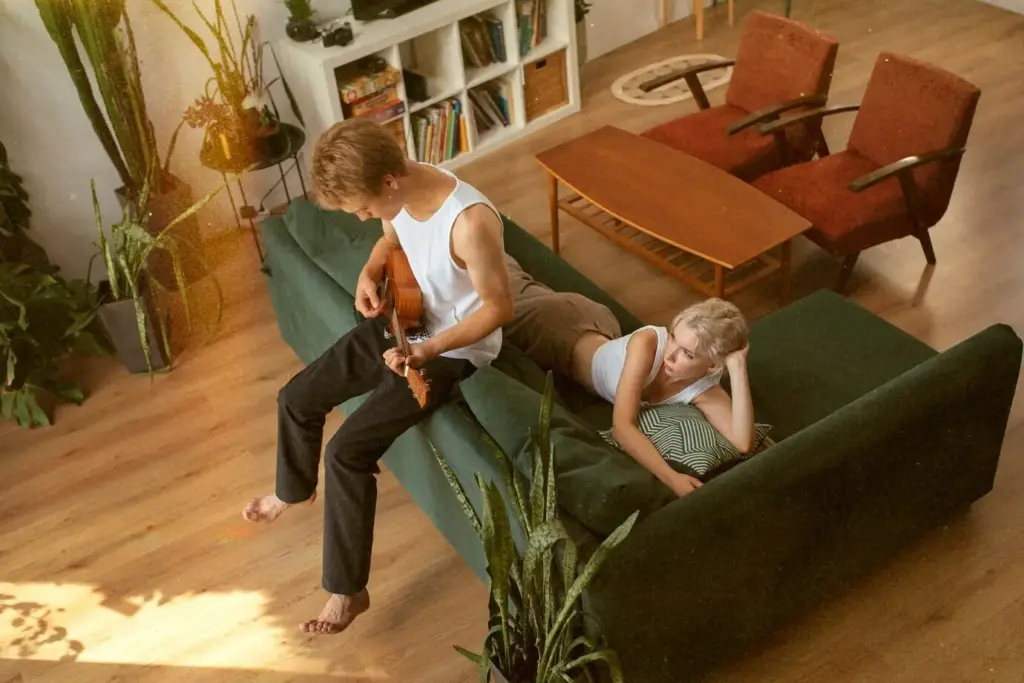
Aim for at least shoulder-width clearance along primary routes and avoid ankle-height obstacles. Plants should echo furniture lines, not jut unpredictably. Coffee tables benefit from low, wide arrangements that sit below sightlines, while corners handle verticals that hug walls. Test the layout by walking through with a full mug; if nothing brushes your arm or blocks a turn, your staging respects daily life. Comfort translates into perceived spaciousness, a valuable signal for compact interiors.
Pet- and Child-Safe Choices
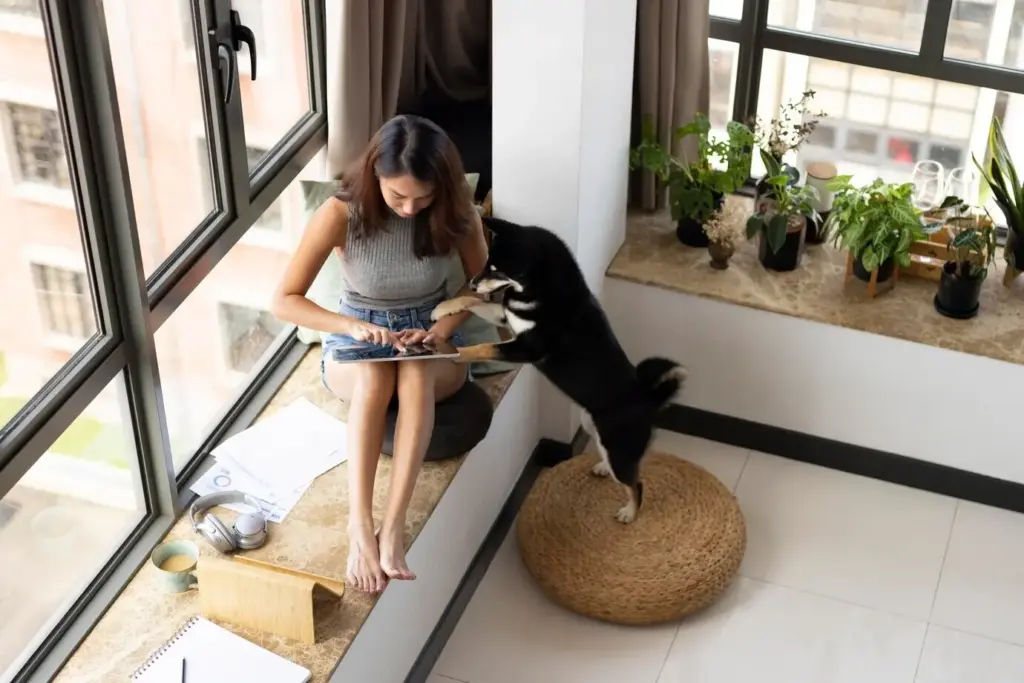
Choose gentler options like parlor palm, calathea, and spider plant around curious companions, and elevate potentially irritating varieties well out of reach. Secure hanging planters with proper anchors and avoid unstable stands. Wipe leaves with water rather than strong sprays to minimize residue. A short, friendly placard noting plant safety considerations reassures families touring the home. Responsible selections quietly communicate care, helping buyers imagine their loved ones thriving in rooms infused with calm, living energy.
Tiny Balconies, Big Impact
Use rail planters for herbs and slim evergreens to build a living screen without stealing floor area. A single vertical trellis with jasmine or ivy suggests privacy and a morning ritual spot for coffee. Keep the palette consistent, containers light, and watering simple with a small, hidden reservoir. Add one foldable chair and a washable cushion. The result photographs like an outdoor room, extending perceived square footage and framing sky as the ultimate spacious backdrop.
Storytelling Through Green Moments
Plants evoke emotion when arranged with narrative intention. A bedside sprig hints at restful nights; a kitchen herb pot promises fresh dinners. Use one striking vignette to encapsulate calm, and sprinkle subtle nods elsewhere to avoid repetition. Pair greenery with meaningful objects—books, ceramics, an heirloom spoon—to imply life unfolding here. When buyers unconsciously recognize themselves in these scenes, the rooms feel larger, warmer, and ready. Invite readers to comment with favorite vignettes for future showcases.
Budget, Sourcing, and Sustainable Choices
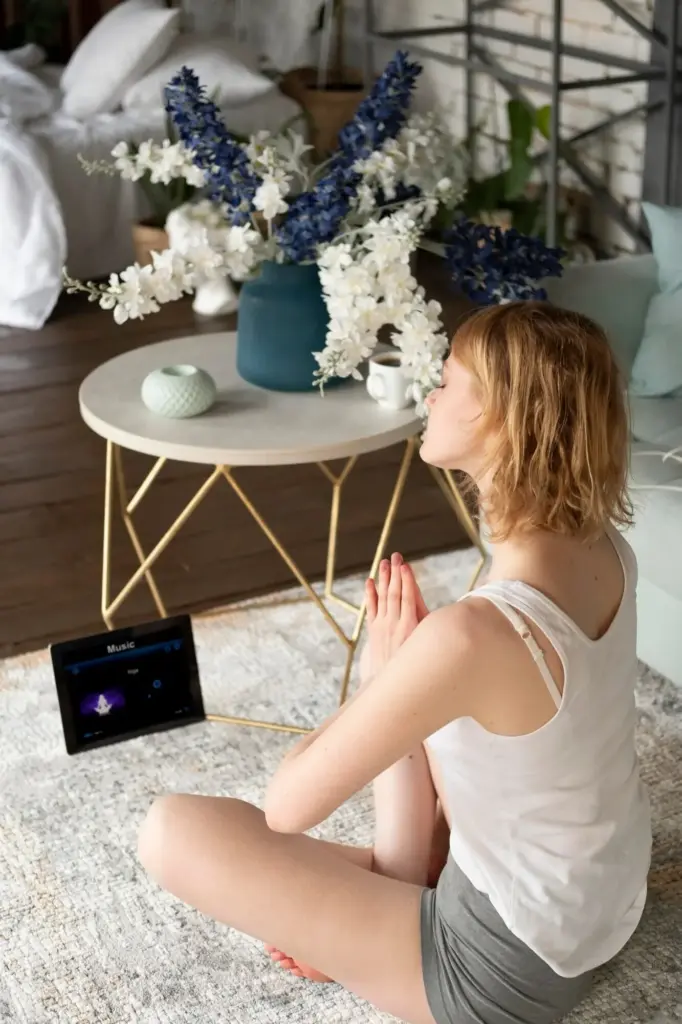
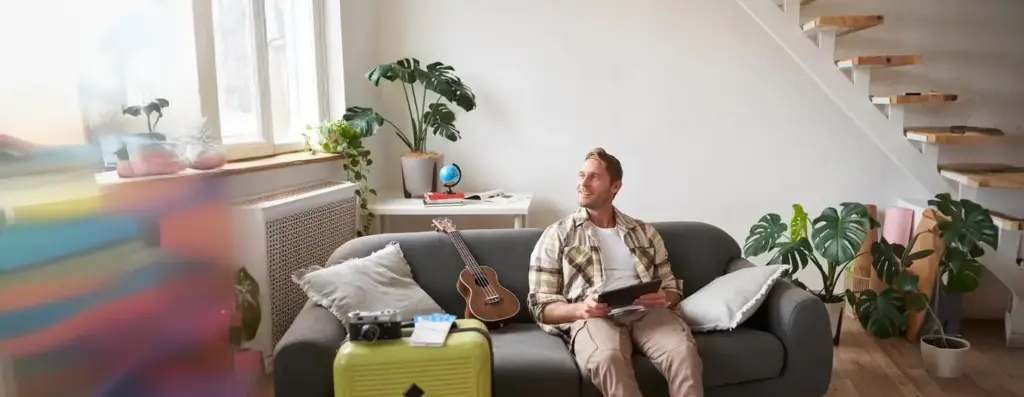
Compelling biophilic staging need not be expensive. Source locally, propagate from healthy mother plants, and prioritize durable containers that outlast trends. Consider rentals for short-term projects, rotating specimens to keep foliage pristine. Use peat-free mixes and responsibly harvested moss for top-dressing. After closing, gift or rehome plants thoughtfully to reduce waste. Invite readers to share thrifty resources, favorite nurseries, and repair tips, building a community of smart, stylish, and planet-conscious small-space stagers together.